

[ad_1]
Beginner’s Guide: Fun Kettlebell Exercises to Get You Started!
Welcome to your journey towards improved fitness and athletic performance! If you’re looking to elevate your strength training and endurance, kettlebell exercises are a fantastic way to get started. These dynamic tools offer a perfect blend of functionality and entertainment, making your workouts both effective and enjoyable. In this beginner’s guide, we’ll explore kettlebell exercises that not only enhance your strength and stamina but also keep your training sessions fun and varied.
Understanding the fundamentals of kettlebell training is essential for anyone wanting to optimize their performance. With the right approach, you can seamlessly integrate kettlebell workouts into your routine while reaping the rewards of improved energy, endurance, and recovery. As you embark on this path, keep in mind the key performance benefits: better training effectiveness, faster recovery, reduced risk of injury, and enhanced long-term sustainability in your fitness lifestyle.
Core Training Principles
Understanding Kettlebell Mechanics
Before diving into specific exercises, let’s familiarize ourselves with the core principles of kettlebell training. Kettlebells are versatile tools that engage multiple muscle groups simultaneously, promoting functional strength and enhancing mobility. The unique shape allows for a wide range of dynamic movements that increase muscle activation and stability.
Progressive Overload
To achieve continuous improvement, embrace the principle of progressive overload. This means gradually increasing the weight of your kettlebell or the number of repetitions over time. Starting with light weights will allow you to focus on perfecting your form before challenging yourself with heavier loads. Aim for a 5-10% increase in load every few weeks, ensuring that you maintain proper form throughout.
Periodization in Kettlebell Training
Periodization involves organizing your training into distinct phases, each with specific goals. For beginners, a basic periodization structure can look like:
- Phase 1: Building – Focus on mastering fundamental movements and establishing a strong conditioning base.
- Phase 2: Strength – Increase the weight and intensity of your workouts for muscle growth.
- Phase 3: Maintenance – Focus on sustaining your progress with a mix of strength and cardio.
Adjust the intensity and volume of your kettlebell workouts based on your current phase, ensuring that you allow adequate recovery time between sessions.
Performance Optimization
Advanced Techniques & Common Mistakes
As you become more comfortable with kettlebell exercises, consider integrating advanced techniques to further challenge yourself. Techniques such as the Turkish Get-Up and Kettlebell Snatch combine strength, balance, and flexibility. Concentrate on maintaining proper form and don’t shy away from using lighter weights as you execute complex movements.
Many beginner mistakes can hinder progress. Common errors include:
- Incorrect Posture: Always prioritize proper alignment to reduce injury risk.
- Overloading Too Soon: Focus on form before weight; lifting too heavy can lead to injuries.
- Neglecting Mobility: Incorporate mobility drills in your routine to enhance range of motion.
How to Track and Measure Progress
Keeping a training log can be incredibly beneficial for tracking your progress and staying motivated. Document your weights, sets, reps, and how you feel during workouts. Consider taking periodic assessments, such as testing your max on specific exercises or performing timed circuits, to monitor your performance improvements.
Training Phase Applications
Modifications for Different Goals
Your kettlebell training can be adapted to suit various fitness goals, whether it’s strength, hypertrophy, endurance, or fat loss. For instance:
- For Strength: Focus on lower reps (3-6) with heavier weights and compound movements like the Kettlebell Deadlift and Press.
- For Hypertrophy: Opt for moderate reps (8-12) while performing exercises like Kettlebell Goblet Squats.
- For Endurance: Implement higher reps (15-20) combined with kettlebell swings and snatches.
- For Fat Loss: Incorporate high-intensity interval training (HIIT) segments into your kettlebell workouts.
Volume and Intensity Guidelines
Balancing volume and intensity is crucial. Beginners might start with 2-3 sessions per week, focusing on different muscle groups. As you progress, increase to 4-5 sessions a week while alternating between heavy and light days to allow for recovery.
Recovery & Sustainability
Injury Prevention Strategies
Incorporating recovery protocols into your routine is vital for sustainable growth. Prioritize rest days and active recovery sessions that include light aerobic activity and flexibility work. Stretching and foam rolling can further aid in muscle recovery and injury prevention.
Long-term Consistency Approaches
For lasting results, establish a consistent training schedule that incorporates kettlebell workouts with other forms of exercise, such as bodyweight training, resistance bands, or traditional weightlifting. Mixing modalities prevents mental and physical burnout while enhancing overall performance.
Practical Implementation
Step-by-Step Guidance
To successfully implement kettlebell exercises into your routine, consider these focused steps:
- Learn the Basics: Start with basic exercises like swings, goblet squats, and presses.
- Set a Routine: Establish a consistent training schedule aiming for 30-45 minute sessions.
- Mix it Up: Alternate your kettlebell workouts with bodyweight exercises and cardio.
- Use a Timer: Employ circuits or intervals to keep sessions engaging and challenging.
Equipment Considerations
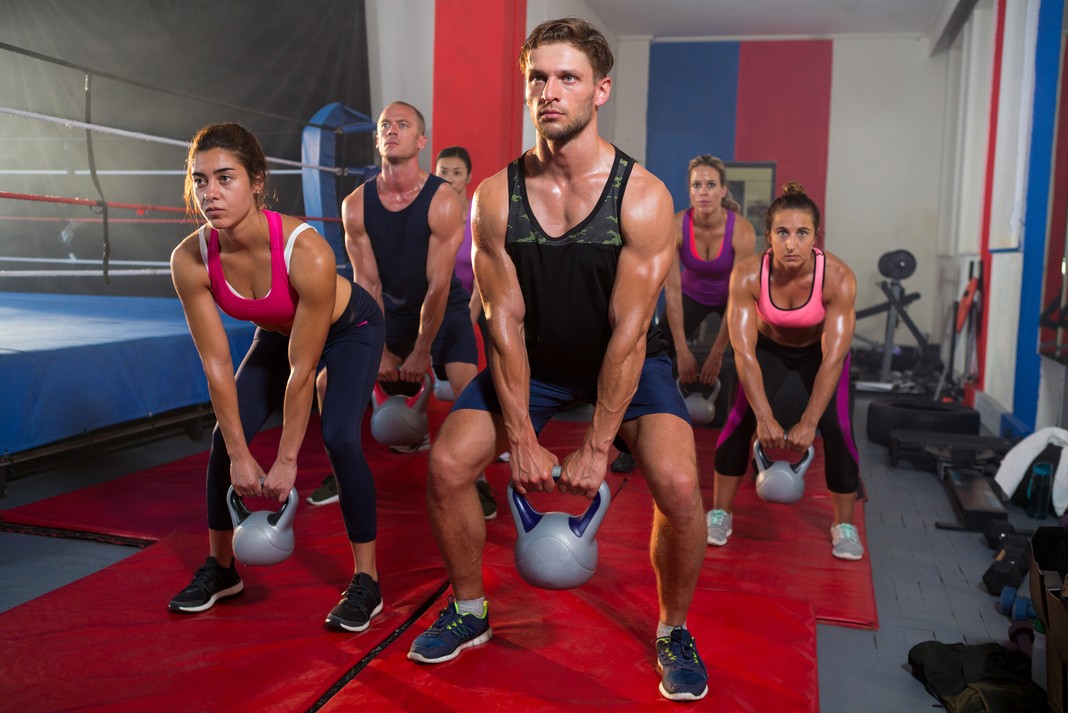
Choose the right kettlebell weight based on your fitness level. For most beginners, a weight between 8-16 kg (18-35 lbs) is ideal. As always, prioritize performing movements with correct form over lifting heavier weights. Remember, if you don’t have a kettlebell, household items like water jugs can be effective substitutes!
Time-efficient Strategies for Busy Schedules
Short on time? Interval training with kettlebells can maximize efficiency. Consider 20-second work periods followed by 10 seconds of rest, completing exercises like kettlebell swings, squats, and renegade rows. These full-body circuits can offer maximum benefits in a minimal time frame.
Conclusion
As you embark on your fitness journey with kettlebells, remember that embracing fun exercises is essential for maintaining motivation and consistency. Kettlebell training offers an exciting approach to enhancing your strength, endurance, and overall athletic performance. By applying the principles and strategies outlined in this beginner’s guide, you’re well on your way to achieving your fitness goals. So, grab that kettlebell and start your training today—let’s unleash your potential together!
FAQs
- How often should I train with kettlebells? Aim for 2-4 times a week, alternating intensity and focusing on form.
- What if I can’t perform certain exercises due to limitations? Modify movements or consult a professional for personalized adaptations.
- Can kettlebells replace my current strength training routine? Yes! They can complement traditional weightlifting or serve as a standalone workout.
- What are some good alternatives if I don’t have a kettlebell? Use dumbbells, resistance bands, or everyday objects like water bottles for similar movements.
- How can I ensure I’m preventing injuries? Focus on proper form, gradually increase weights, and incorporate stretching and rest days.
- Is it important to track my progress with kettlebell training? Absolutely! Keeping a log helps you stay accountable and recognize improvements over time.
- How can I integrate kettlebell exercises into my existing training program? Mix kettlebell workouts with your usual routine, focusing on complementary muscle groups to avoid overtraining.
[ad_2]