

[ad_1]
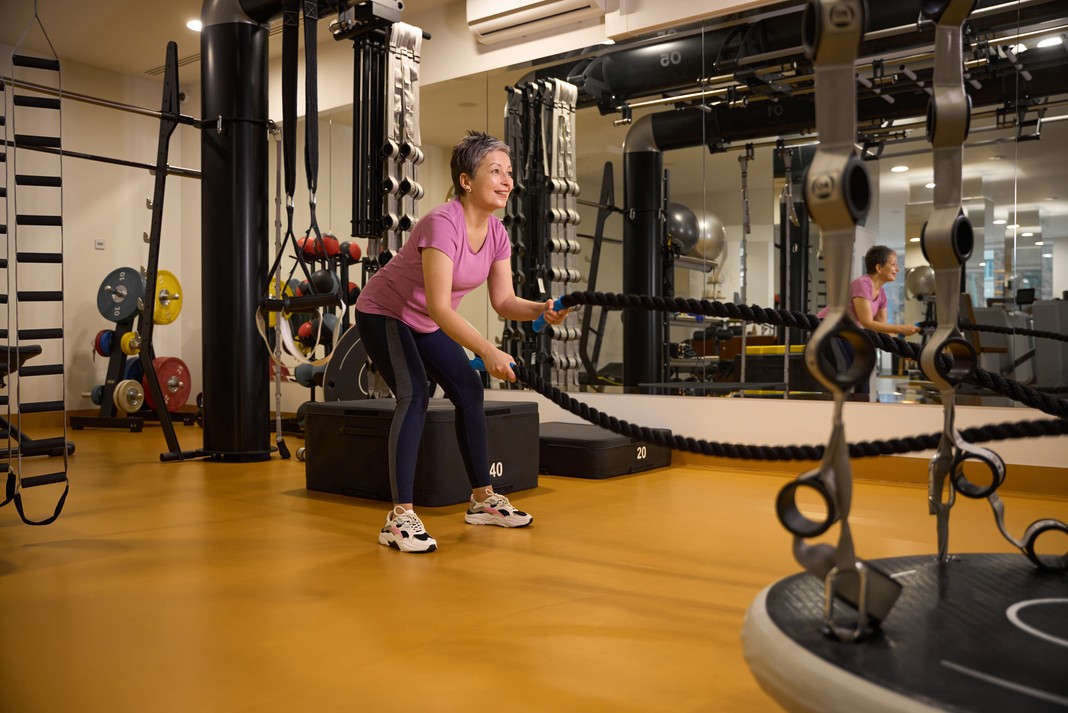
Empower Seniors: Fun Functional Fitness Exercises to Enjoy
In the pursuit of optimal health and vibrant living, engaging in functional fitness exercises becomes paramount. Especially for seniors or those looking to enhance their daily functioning, these workouts not only build strength but improve endurance and mobility. Incorporating fun functional fitness exercises into your routine can lead to renewed energy, enhanced performance, and better recovery. Ultimately, this creates a holistic and sustainable fitness lifestyle that fits seamlessly into busy schedules.
When we focus on fun functional fitness exercises, we harness the power of movements that mimic daily activities—making workouts feel more relatable and enjoyable. This approach fosters better training effectiveness, promotes injury prevention, and supports long-term sustainability. In this article, we’ll delve into essential core training principles, performance optimization strategies, and practical implementation tips that will help you maximize your functional fitness journey.
Core Training Principles
Understanding Functional Fitness
Functional fitness refers to exercises that train your muscles to work together, rather than isolating them. This concept is rooted in the premise that while lifting weights is beneficial, integrating movements that mimic everyday activities amplifies your strength and endurance. By doing so, you cultivate your body’s ability to perform tasks with ease, from carrying groceries to playing with grandchildren.
Key Components of Functional Fitness
- **Strength Training:** Incorporating resistance into functional movements enhances muscle hypertrophy and strength.
- **Cardio:** Aerobic exercises improve endurance, allowing you to sustain energy through your daily activities.
- **Mobility and Flexibility:** These are critical for maintaining functional movements and preventing injury.
- **Coordination and Body Awareness:** Focusing on dynamic movements fosters better balance and coordination.
Progressive Overload for Growth
To continually see improvements, it’s vital to implement progressive overload. This training principle refers to gradually increasing the weight, frequency, or number of repetitions in your exercises. By doing so, you encourage your muscles to adapt and grow stronger over time, enhancing overall performance. Start at a comfortable level and gradually increase the intensity.
Performance Optimization
Advanced Techniques
To maximize your functional fitness journey, consider advanced training techniques such as High-Intensity Interval Training (HIIT). This form of training alternates between periods of intense activity and recovery, enhancing cardiovascular and muscular endurance. Additionally, implementing supersets or circuits can target multiple muscle groups effectively and efficiently, ensuring a full-body workout that saves time.
Avoiding Common Mistakes
Every athlete faces hurdles, and miss executing exercises can impede progress. Common mistakes include:
- **Neglecting Warm-Ups:** Always start with a thorough warm-up to prepare your muscles and joints for activity.
- **Inconsistent Form:** Prioritize proper technique over lifting heavier weights.
- **Skipping Recovery Days:** Your body needs rest to rebuild and become stronger.
Tracking Your Progress
Tracking your workouts is crucial for maintaining motivation and measuring progress. Use a journal or app to document your exercises, weights lifted, and reps completed. This data can help you identify patterns and adjust your training program as needed, solidifying your commitment to long-term fitness.
Training Phase Applications
Building Strength and Endurance
Different training phases require varied focuses. During the building phase, aim for higher volumes with more repetitions (8-12 reps) at moderate weights to foster endurance and strength. Shift to fewer reps with heavier weights (4-6 reps) during the maintenance phase to build power and solidify your muscular gains.
Periodization Strategies
Utilizing periodization—planned variations in training intensity and volume—can help you avoid plateaus and keep your training effective. A common structure includes:
- **Hypertrophy Phase:** High volume (8-12 reps) with moderate weights.
- **Strength Phase:** Lower volume (4-6 reps) with heavier weights.
- **Recovery Phase:** Reduced intensity and volume to allow your body to recover.
Recovery & Sustainability
Importance of Recovery Protocols
Recovery is vital for optimal performance and injury prevention. Always incorporate active rest days, which might include gentle yoga or walking, to promote circulation without puncturing your recovery. Additionally, adequate hydration, nutrition, and sleep play crucial roles in supporting your body through the demands of training.
Strategies for Long-Term Consistency
To foster a sustainable fitness lifestyle, cultivate a mindset centered around enjoyment and accountability. Try finding workout partners or participating in group classes. The social aspect can often motivate you to stick to your routine. Remember, a balanced approach that integrates intensity and adequate rest will ensure longevity in your training journey.
Practical Implementation
Step-by-Step Guidance
To start incorporating fun functional fitness exercises, follow these easy steps:
- **Identify Your Goals:** Whether it’s improving mobility or building strength, having clear goals will guide your training.
- **Select Exercises:** Focus on fun movements like squats, lunges, deadlifts, and kettlebell swings that address multiple muscle groups.
- **Create a Schedule:** Allocate specific days for strength, cardio, and flexibility/mobility work.
- **Evaluate Your Progress:** Regularly track your progress, reassessing your goals and adjusting your plan to continue enhancing performance.
- **Stay Consistent:** Dedicate time for your training, treating it like any important appointment.
Equipment Considerations
While many functional exercises can be performed with minimal equipment, consider integrating items like resistance bands, dumbbells, or kettlebells. They provide variations and challenges to your workouts, allowing you to continuously progress.
Time-Efficient Strategies
Busy lifestyles can make it difficult to fit in workouts. Consider circuit training, where you perform multiple exercises back-to-back with minimal rest. This reduces overall workout time while maximizing efficiency and results.
Conclusion
Embracing fun functional fitness exercises is an exhilarating path towards improved performance and enhanced quality of life. By focusing on balanced training principles and supporting recovery and sustainability, you’ll foster an enduring fitness journey tailored to your individual needs. Now is the time to take action! Dive into your functional fitness path and unlock a healthier, more energetic version of yourself.
FAQs
1. How often should I train with functional fitness exercises?
For optimal results, aim for 3-4 sessions per week, incorporating a blend of strength, cardio, and flexibility work.
2. What is the best way to improve my form with functional exercises?
Focus on lighter weights to master the technique before gradually increasing the load. Consider working with a trainer for personalized feedback.
3. Can I modify functional exercises for different experience levels?
Absolutely! Start with bodyweight exercises, and incorporate bands or light weights, gradually advancing as your strength improves.
4. What if I don’t have access to gym equipment?
Don’t worry! Many functional exercises can be performed using your body weight or everyday objects at home, like water bottles or backpacks.
5. How do I prevent injuries during functional training?
Incorporate thorough warm-ups, focus on proper technique, and ensure adequate rest and recovery periods between sessions.
6. How can I track my progress effectively?
Using a training log or app is the best method for tracking your workouts, recording weights, reps, and how you feel to identify areas for improvement.
7. Can I integrate functional fitness into my current workout routine?
Definitely! Add functional exercises to your current splits, ensuring you prioritize movement patterns that enhance your everyday activities.
[ad_2]