


As someone who has spent over a decade writing for the Wellness Newspaper, I’ve seen countless health trends come and go. But one of the most frequent questions I get from readers looking for natural ways to support their heart health is: “Can a warm shower lower blood pressure?”
The short answer is yes, but the “how” and “why” behind it are fascinating. Let’s dive into the science of why your evening rinse might be doing more for your cardiovascular system than just washing away the day.
The Science of Heat and Vasodilation
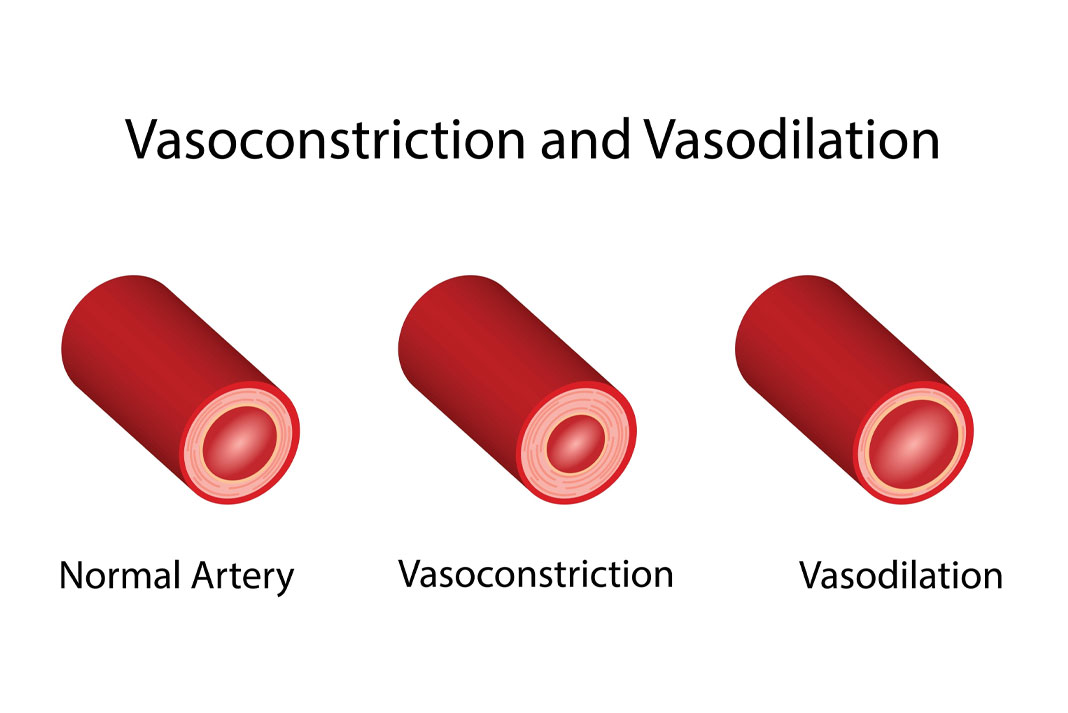
When you step into a warm shower, your body undergoes a process called vasodilation. This is the medical term for the widening of your blood vessels.
According to research published in the Journal of Biological and Medical Rhythm, exposure to warm water (specifically between 104°F and 108.5°F) stimulates the body’s thermoregulatory system. As your internal temperature rises slightly, your blood vessels dilate to help move heat toward the surface of your skin.
Why Vasodilation Matters for Blood Pressure
Think of your circulatory system like a garden hose. If you squeeze the hose, the pressure of the water inside increases. Vasodilation is the opposite—it’s like widening the hose.
-
Lower Resistance: Wider vessels mean less resistance to blood flow.
-
Reduced Cardiac Workload: Your heart doesn’t have to pump as hard to move blood through the body.
-
Temporary Drop: This physiological shift leads to a measurable, albeit temporary, decrease in systolic and diastolic blood pressure.
More Than Just Heat: The Relaxation Response
Beyond the physical widening of blood vessels, warm showers impact our Autonomic Nervous System (ANS). Modern life keeps many of us in a state of “fight or flight” (the sympathetic nervous system).
A warm shower acts as a signal to switch over to the “rest and digest” mode (the parasympathetic nervous system). A study cited by Harvard Health suggests that “passive heating” (like warm baths or showers) can improve vascular function and even mimic some of the cardiovascular benefits of low-intensity aerobic exercise.
Improved Sleep Quality
There is also a strong link between blood pressure and sleep. Taking a warm shower about 1 to 2 hours before bed helps your body cool down afterward—a natural signal that it’s time for sleep. Better sleep is directly correlated with healthier blood pressure levels over time.
Important Safety Considerations
While a warm shower is beneficial for most, it is not a replacement for medical treatment. If you have chronic hypertension, keep these tips in mind:
-
Avoid Extreme Temperatures: Water that is too hot can actually cause your heart rate to skyrocket, which may be dangerous for those with heart conditions.
-
Watch for Dizziness: Because blood pressure drops, you might feel lightheaded when stepping out of the shower. Always move slowly.
-
The “Diving” Effect: Avoid sudden transitions from very cold to very hot, as this can put unnecessary stress on your heart.
Expert Tip: To maximize the benefits, aim for a shower duration of 10 to 15 minutes. This is long enough to trigger vasodilation without dehydrating your skin or causing excessive fatigue.
FAQ: Your Questions Answered
Does a cold shower lower blood pressure?
Actually, the opposite usually happens. Cold water causes vasoconstriction (narrowing of blood vessels), which can cause a temporary spike in blood pressure as your body tries to keep its core warm.
How long do the effects last?
The blood pressure-lowering effects of a warm shower are generally temporary, lasting for an hour or two. It is a great tool for immediate relaxation, but long-term management requires diet, exercise, and often medication.
Can a warm shower replace my blood pressure medication?
No. While lifestyle habits like warm showers and “passive heating” are excellent supplements to a healthy heart routine, they cannot replace prescriptions or advice provided by your cardiologist.
My Final Thoughts
Incorporating a warm shower into your daily routine is a simple, science-backed way to support your heart and lower your stress levels. It’s a small act of self-care that pays dividends for your vascular health.